
GIULIA PARLATO. ATLAS UNDARUM
|
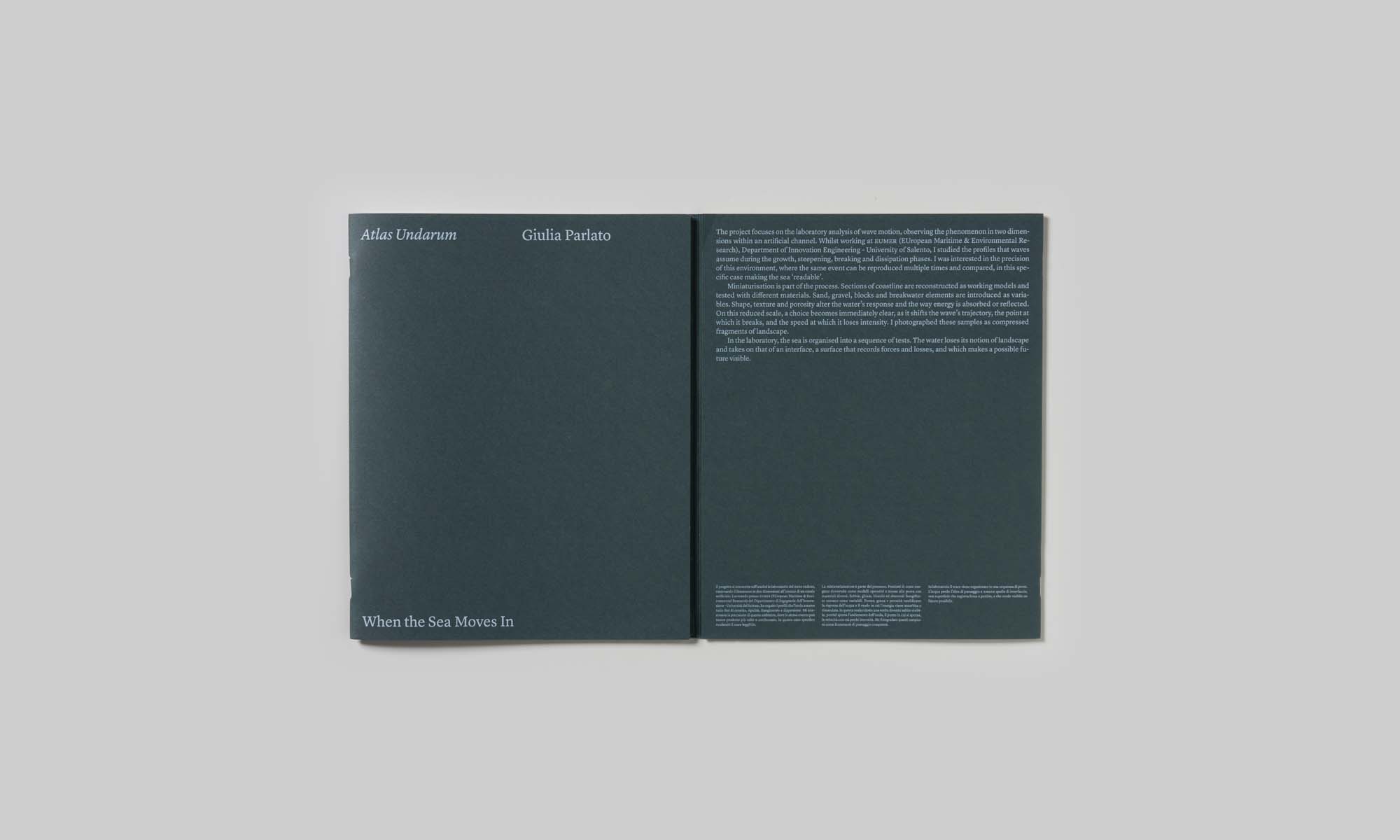
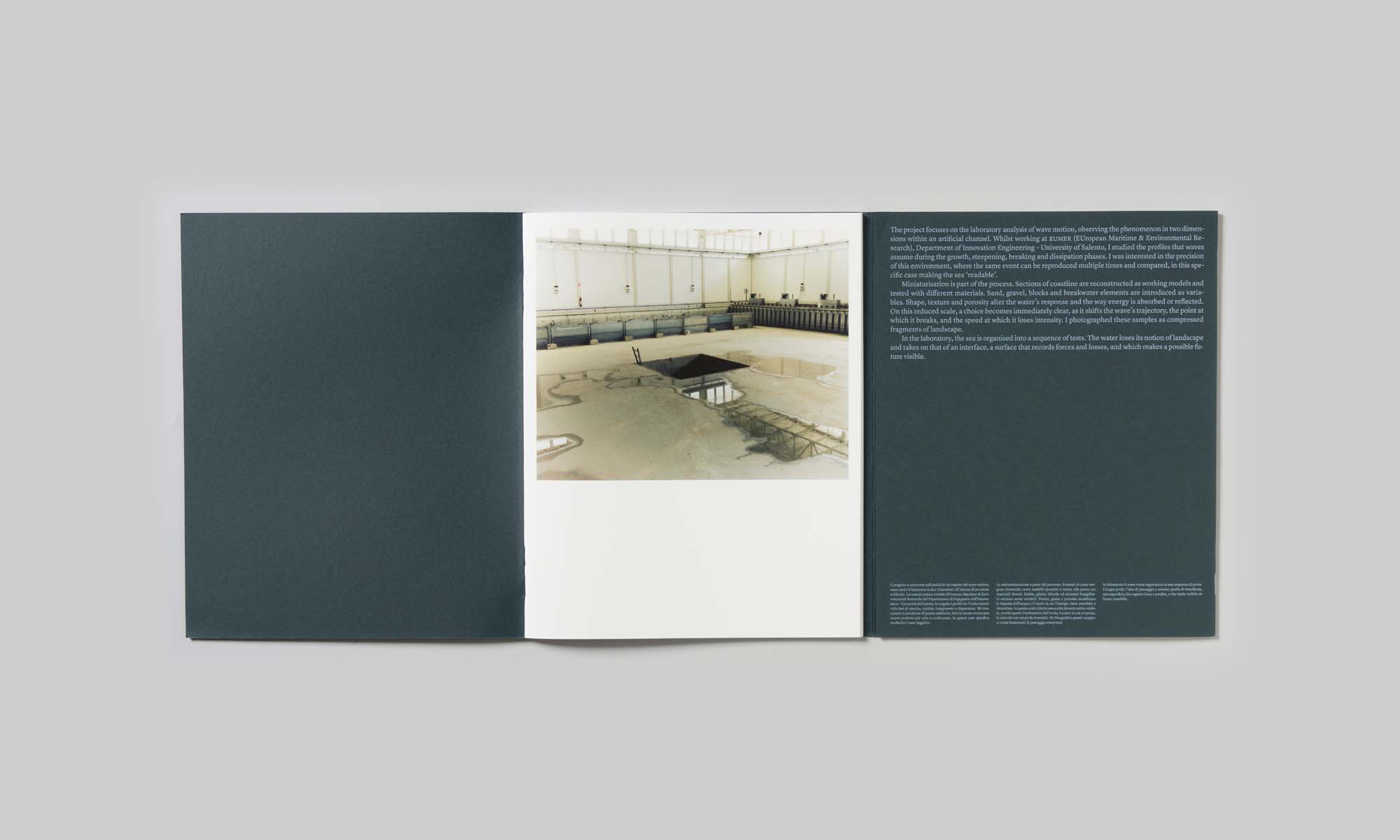
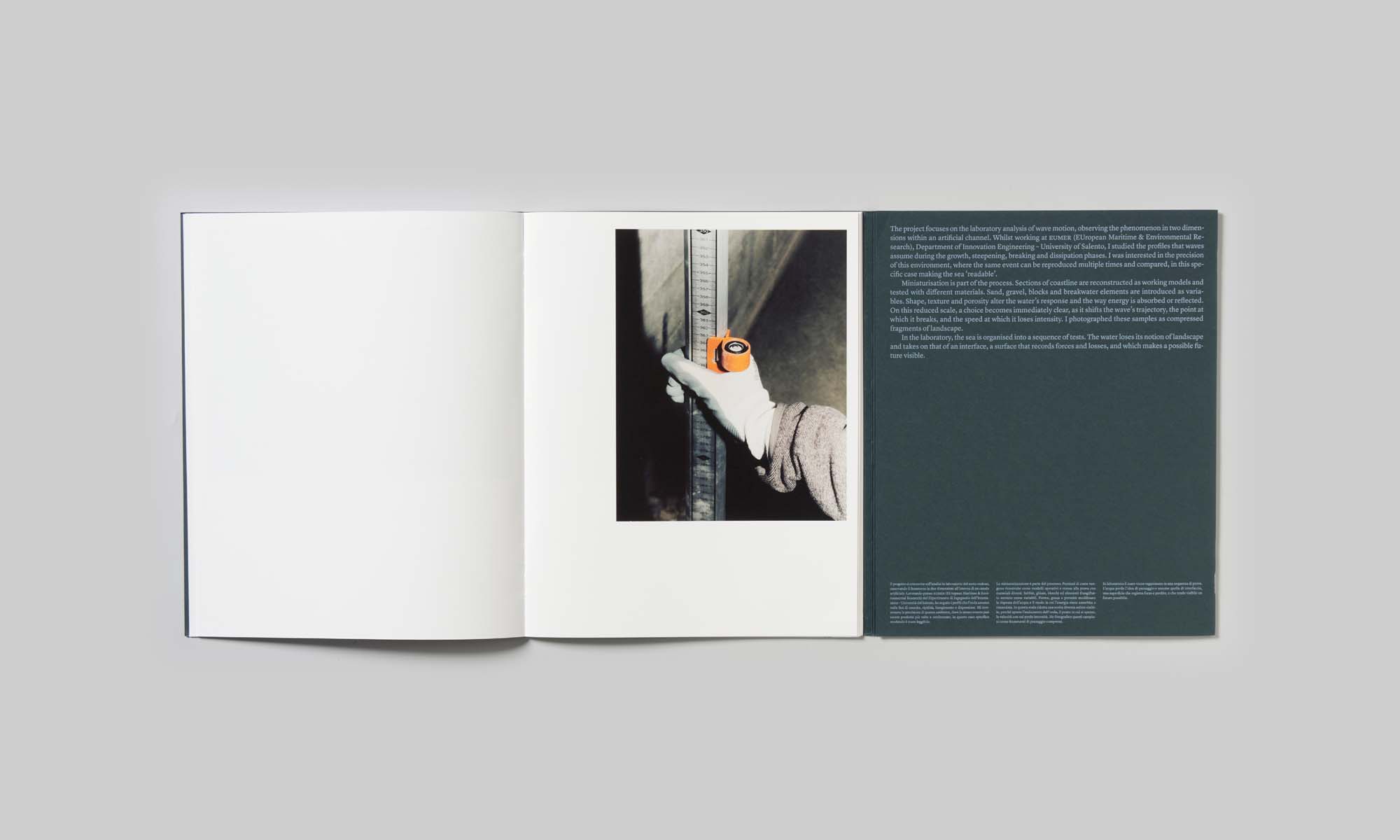
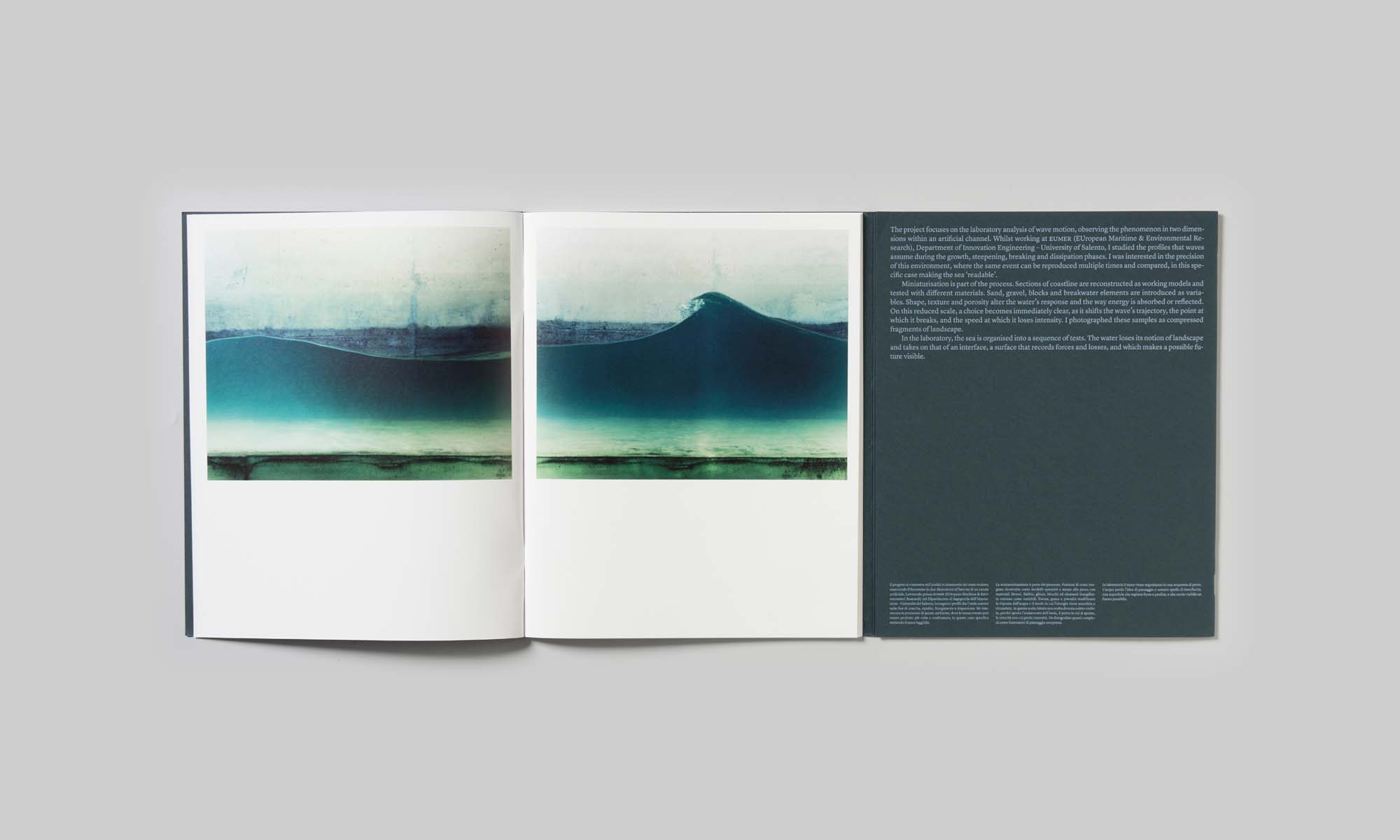
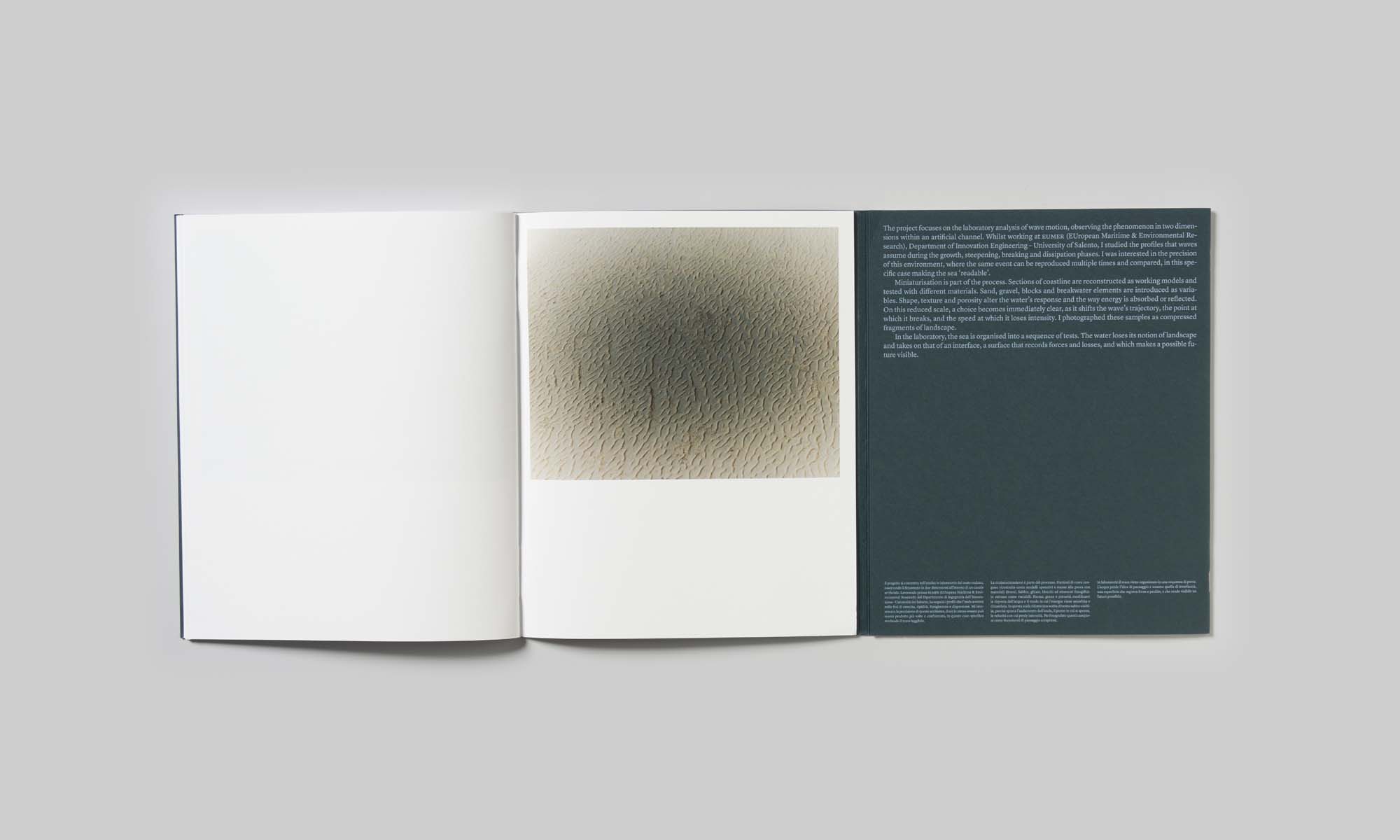
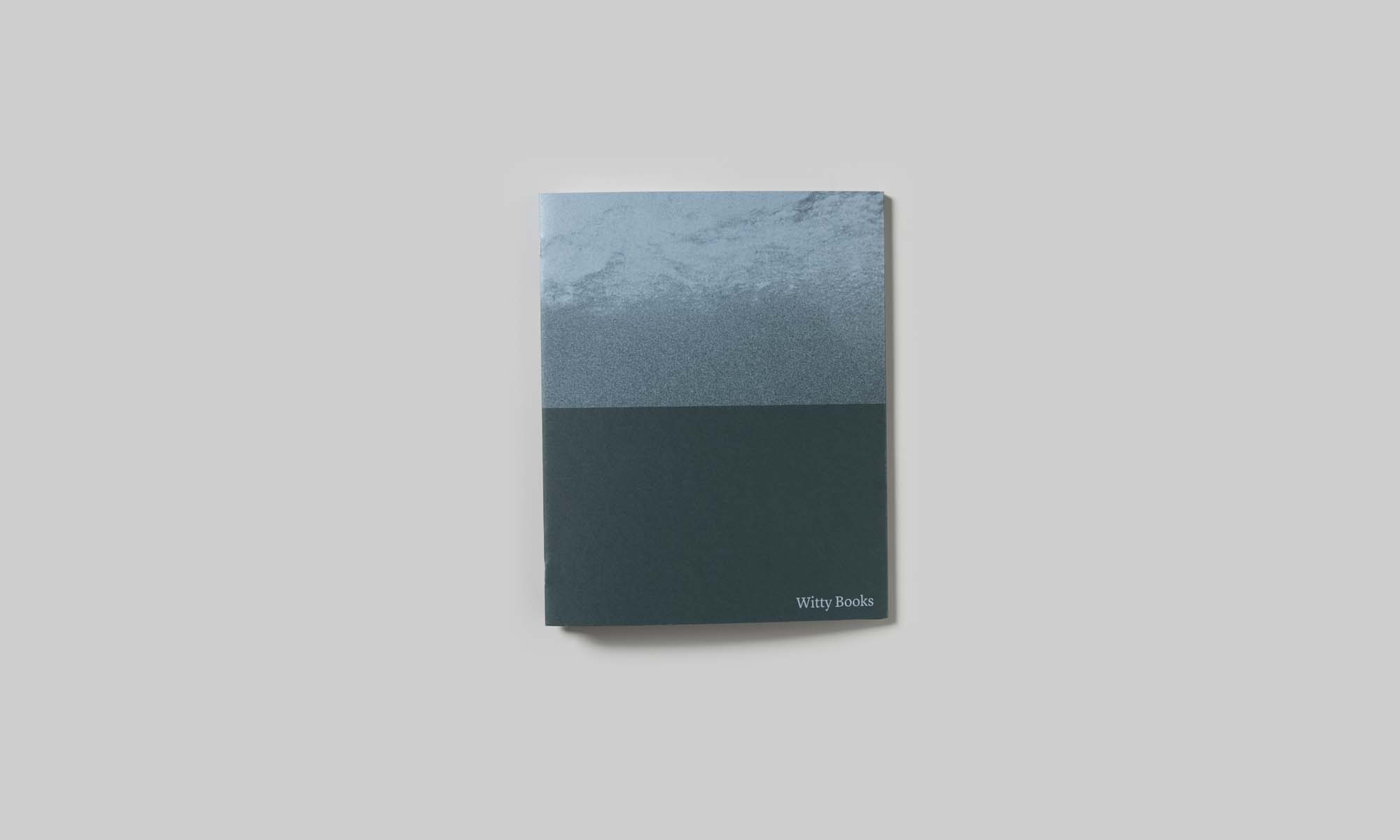
Atlas Undarum by Giulia Parlato removes the sea from its phenomenological and landscape evidence, reframing it as a knowledge device that is operationally reproducible and modelable. The attention to the experimental laboratory space — itself the subject of the photographs — does not merely represent Photographic images escape the distinction between documentation and abstraction, operating as hybrid surfaces. Sediments, water, and miniaturised elements constitute a visual field in which experiment, model, and landscape no longer appear as separate categories, instead assuming the form of transitional states within a single material and semiotic configuration. What is revealed is not the representation of a given landscape, but rather the set of operations through which it is progressively constructed as an object of observation and knowledge. The image thus becomes the site of a continuous negotiation between physical phenomena, technical systems, and interpretative practices, making visible the mediating processes that structure the production of scientific knowledge. The landscape takes shape through a constellation of devices, measurements, and visualisation procedures that progressively articulate its conditions of legibility and interpretation. This publication is part of the ‘Whes the Sea Moves In series’ and has been funded by European Union, NextGenerationEU, as part of the PNRR project “National Biodiversity Future Center” M4C2 I1.4 of the National Research Council Edited by Stefania Rössl, Tommaso Parrillo Graphic design Damiano Fraccaro / Otium Publisher Witty Books, Torino, July 2026 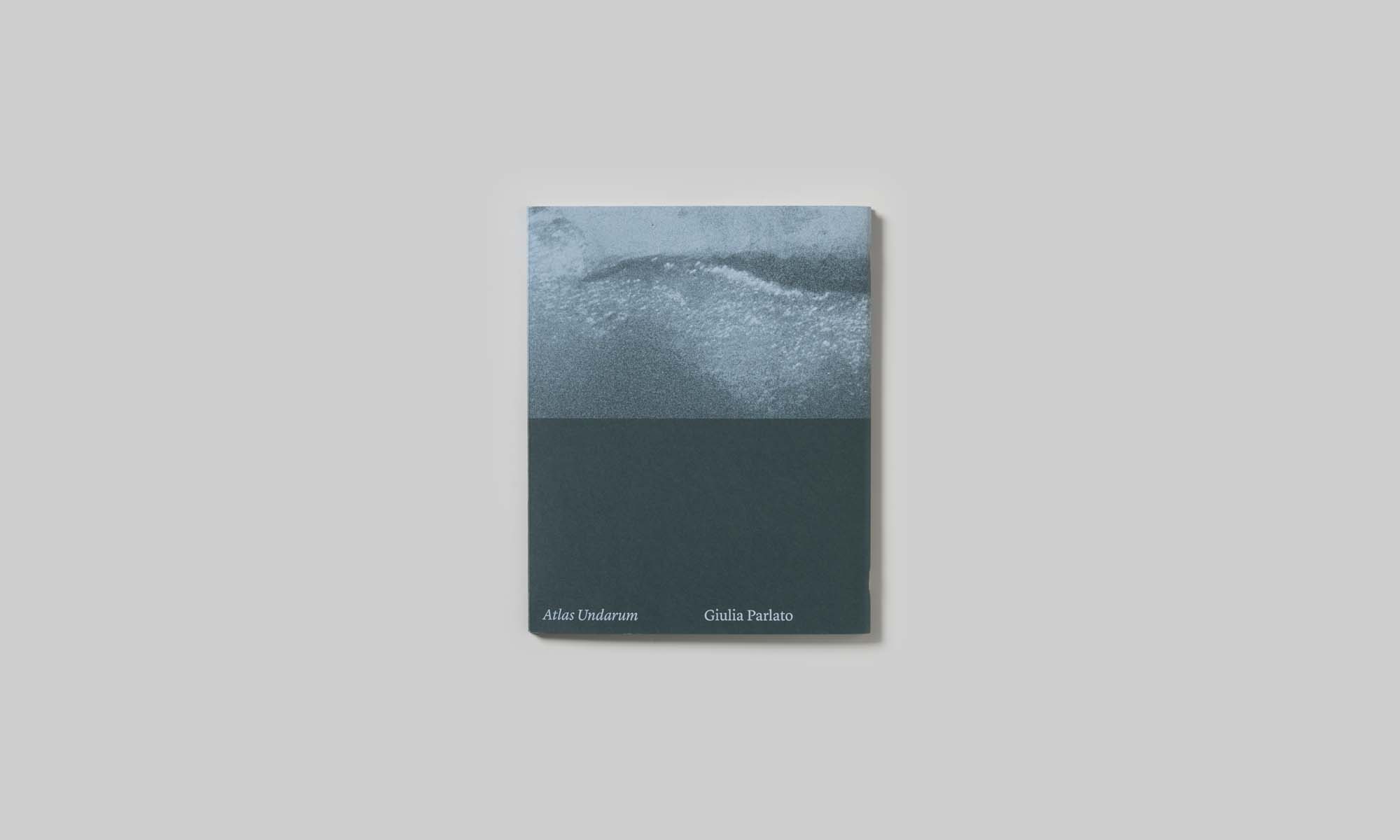
|